Benjamin Gibbons
The Gornal area lay in the Manor of Sedgley (Once owned by Sir John Keeling) in the County of Stafford. It is riddled with mine workings with Roberts Street Primary school built
over much of the mines in the late 90’s and new housing built on the other side of the lane a little later, part of the Milking Bank estate. This land was however rich in both coal
and clay and was owned by a family that owned much of the coal fields in Staffordshire.
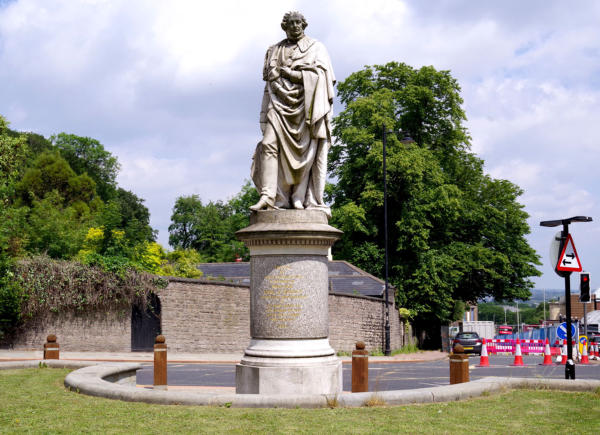
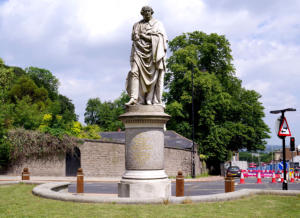
That family was the Ward family. The 1st Earl of Dudley William Ward was born in Suffolk,
the son of William Ward, 10th Baron Ward. Between 1859 and 1877 Ward paid for the
entire refacing and restoration of Worcester Cathedral, there is a monument to him in the
cathedral and his statue stands at the top of Castle Hill in Dudley.
The quality of the underlying clay at Deepdale produced especially good fireclay, this
would be used for producing bricks and other refractories which could be employed in
furnaces and other industries where high temperatures were used.
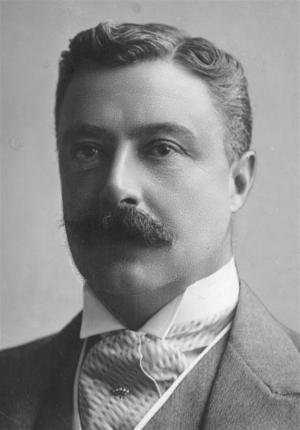
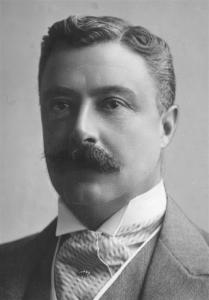
Much of Gornal was owned by William Humble Ward,
2nd Earl of Dudley GCB, GCMG, GCVO, TD, PC (25 May 1867 – 29 June 1932).
He was a British aristocrat, politician, and military officer who served as the fourth Governor General of Australia,
in office from 1908 to 1911. He was previously Lord Lieutenant of Ireland from 1902 to 1905, and also a government minister under Lord Salisbury. Dudley was born in London, the
son of William Ward, 1st Earl of Dudley, and Georgina, daughter of Sir Thomas Moncrieff, 7th Baronet.
He was educated at Eton. His father died in 1885 and he inherited nearly 30,000 acres (120 km2) of mineral deposits in Staffordshire and Worcestershire, two hundred coal and iron
mines, several iron works (including the Round Oak Steelworks) along with Himley Hall and Dudley Castle and a substantial fortune, as well as the Earldom. He visited Australia in
1886–87 as part of a yachting cruise. Dudley became part of the social circle of the Prince of Wales (later King Edward VII), who attended his wedding to Rachel Gurney in 1891. He
was appointed a deputy lieutenant for Worcestershire in 1893 and from 1895 to 1896 he was Mayor of Dudley. Lord Dudley died on 29th June 1932 and is buried in the Earl of
Dudley's Memory Garden located next to St Michael's and All Angels Church in Himley. His son, William Humble Eric Ward, 3rd Earl of Dudley, set up Dudley Zoo.
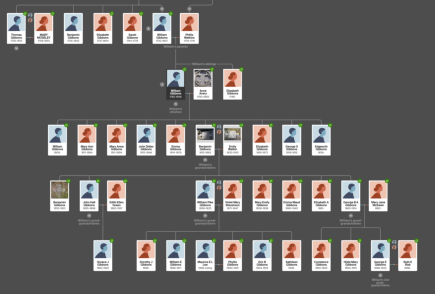
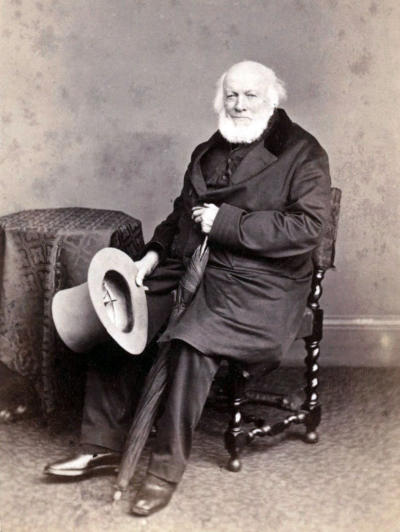
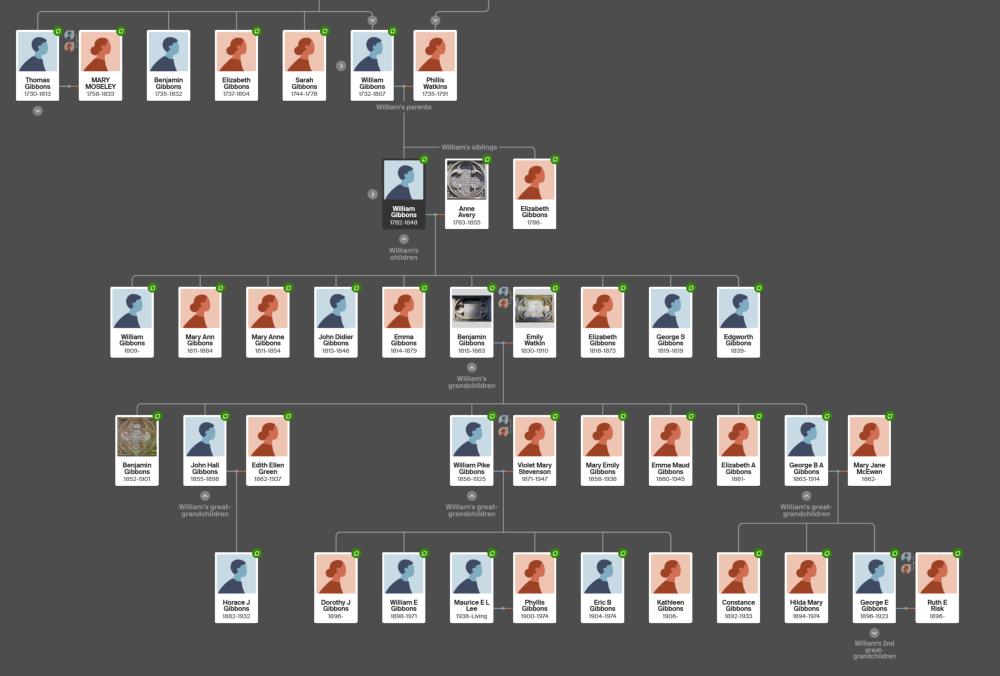
Benjamin Gibbons, (1815-1863), ironmaster (son of William Gibbons 1782-1848
and Ann Avery 1790-1851) developed fire-clay mines at Sedgley and leased the
Hallfields furnace in Bradley near Bilston. He started the fireclay works at
Deepdale Lane in 1834. The firm later became Gibbons Brothers and were located
at Dibdale Works at the bottom of Deepdale Lane, their family business was one of
the larger industries and major employers in the area.
Gibbons purchased a large area of land sliced through by Bagleys Lane (later
renamed Dibdale Road), this parcel of land stretched from the
Dudley Road down to the Himley Road and was rich in both coal and clay. When he
died in 1863 his widow, Emily (nee Watkin and originally
from Neston, Merseyside), continued the firebrick business, in which her elder son,
Benjamin, was employed as manager. The firm remained a family company for over 120 years and was for a number of
years, world leaders in fire bricks and industrial ovens.
The Dibdale works closed in 1987.
Emily Gibbons, born to William & Elizabeth Watkin was the eldest of eleven children.
William Watkin was a Journeyman Carpenter from Sugnall in Staffordshire who moved to Liverpool to find
work.
He met and married Elizabeth Robinson and they had a further child William before moving to Burslem in
Staffordshire.
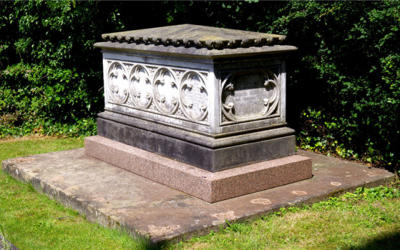
Emily died on the 6th October 1910 leaving £27,438 to children William
Pike and Elizabeth Ada - the equivalent of £3.3M in 2021 and is buried in St. Mary’s Churchyard, Stone, Kidderminster.



Benjamin Gibbons
The Gornal area lay in the Manor of Sedgley (Once owned by Sir John
Keeling) in the County of Stafford. It is riddled with mine workings with
Roberts Street Primary school built over much of the mines in the late
90’s and new housing built on the other side of the lane a little later,
part of the Milking Bank estate. This land was however rich in both coal
and clay and was owned by a family that owned much of the coal fields
in Staffordshire.
That family was the Ward family.
The 1st Earl of Dudley William
Ward was born in Suffolk, the son
of William Ward, 10th Baron Ward.
Between 1859 and 1877 Ward paid
for the entire refacing and
restoration of Worcester Cathedral,
there is a monument to him in the
cathedral and his statue stands at
the top of Castle Hill in Dudley.
The quality of the underlying clay
at Deepdale produced especially
good fireclay, this would be used for producing bricks and other
refractories which could be employed in furnaces and other industries
where high temperatures were used.
Much of Gornal was owned by William Humble Ward,
2nd Earl of Dudley GCB, GCMG, GCVO, TD, PC (25 May 1867 – 29 June
1932).
He was a British aristocrat, politician, and military officer who served as
the fourth Governor General of Australia,
in office from 1908 to 1911. He was previously Lord Lieutenant of
Ireland from 1902 to 1905, and also a government minister under Lord
Salisbury. Dudley was born in London, the son of William Ward, 1st Earl
of Dudley, and Georgina, daughter of Sir Thomas Moncrieff, 7th Baronet.
He was educated at Eton. His father died in 1885 and he inherited nearly
30,000 acres (120 km2) of mineral deposits in Staffordshire and
Worcestershire, two hundred coal and iron mines, several iron works
(including the Round Oak Steelworks) along with Himley Hall and
Dudley Castle and a substantial fortune, as well as the Earldom. He
visited Australia in 1886–87 as part of a yachting cruise. Dudley became
part of the social circle of the Prince of Wales (later King Edward VII),
who attended his wedding to Rachel Gurney in 1891. He was appointed
a deputy lieutenant for Worcestershire in 1893 and from 1895 to 1896
he was Mayor of Dudley. Lord Dudley died on 29th June 1932 and is
buried in the Earl of Dudley's Memory Garden located next to St
Michael's and All Angels Church in Himley. His son, William Humble Eric
Ward, 3rd Earl of Dudley, set up Dudley Zoo.
Benjamin
Gibbons, (1815-
1863),
ironmaster (son
of William
Gibbons 1782-
1848 and Ann
Avery 1790-
1851)
developed fire-
clay mines at
Sedgley and
leased the
Hallfields
furnace in
Bradley near
Bilston. He
started the
fireclay works
at Deepdale
Lane in 1834.
The firm later became Gibbons Brothers and were located at Dibdale
Works at the bottom of Deepdale Lane, their family business was one of
the larger industries and major employers in the area.
Gibbons purchased a large area of land sliced through by Bagleys Lane
(later renamed Dibdale Road), this parcel of land stretched from the
Dudley Road down to the Himley Road and was rich in both coal and
clay. When he died in 1863 his widow, Emily (nee Watkin and originally
from Neston, Merseyside), continued the firebrick business, in which her
elder son, Benjamin, was employed as manager. The firm remained a
family company for over 120 years and was for a number of years, world
leaders in fire bricks and industrial ovens.
The Dibdale works closed in 1987.
Emily Gibbons, born to William & Elizabeth Watkin was the eldest of
eleven children.
William Watkin was a Journeyman Carpenter from Sugnall in
Staffordshire who moved to Liverpool to find work.
He met and married Elizabeth Robinson and they had a further child
William before moving to Burslem in Staffordshire.
Emily died on the 6th October 1910 leaving £27,438 to children William
Pike and Elizabeth Ada - the equivalent of £3.3M in 2021 and is buried
in St. Mary’s Churchyard, Stone, Kidderminster.