The Siden House
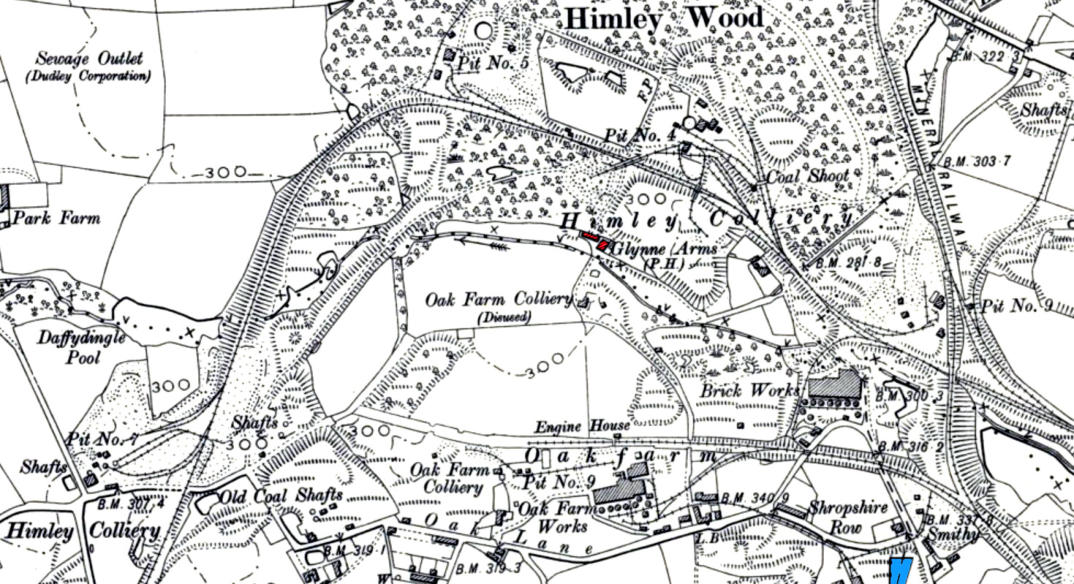
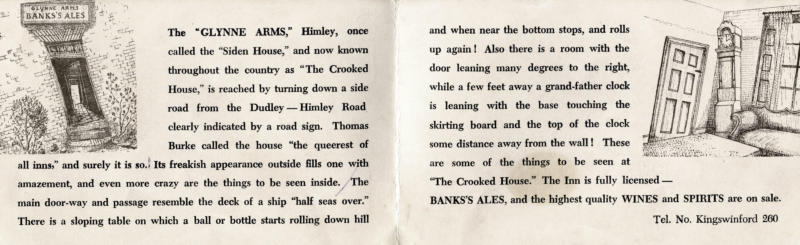
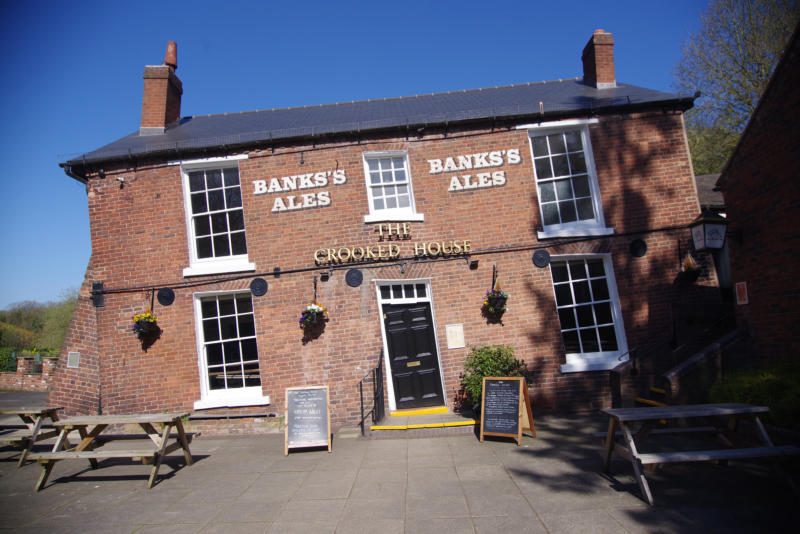
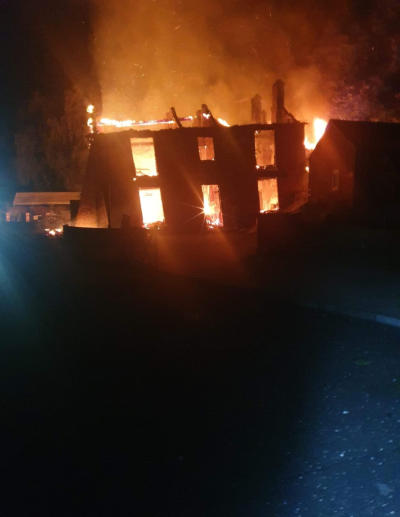
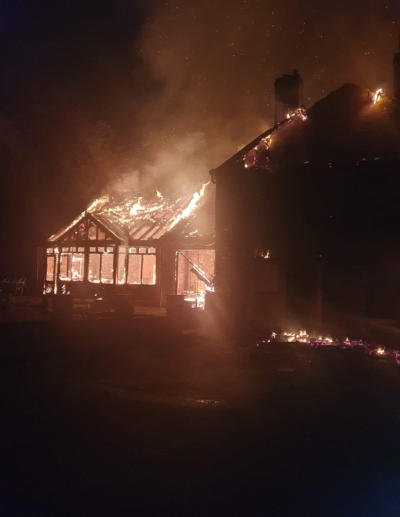
The Siden House, renamed the Glynne Arms and now going under the name of its nickname ‘The Crooked House’ a well known and much loved Black Country institution. “Come in an have sum home brewed ale Stop as long as you’re able At a pub called the Siden House Where the beer runs up the table” The Crooked House is one of Britain’s quirkiest pubs. Built in 1765 as a farmhouse, the building became a pub in the 19th century when it opened as The Siden Arms. ‘Siden’ is a local dialect word for ‘crooked’ or ‘lopsided’ so for well over a hundred years the building has leaned to one side. Though now called The Crooked House many regulars recall its previous name, The Glynne Arms. Sir Stephen Glynne, 9th Baronet (1807 - 1874) was a 19th century landowner and the building was on his estate. At the age of seven Stephen inherited both the baronetcy and the family estates, including Hawarden Castle in Flintshire. His sister Catherine married William Gladstone, later to become Prime Minister. The land where the Glynne Arms stands was part of the Oak Farm Estate, which in the 1800's was riddled with mine workings and rail tracks with the canal basin at the end of the Stourbridge Extension Line which now no longer exists. Sir Stephen Glynne was not only a land owner but also a politician. He also had a love of music and church architecture and visited over 5500 churches - mostly on horseback The Oak Farm Company included Sir Stephen Glynne, owner of the property and from 1839, W.E. Gladstone and Lord Lyttleton. All three resigned in 1845 and the company collapsed in 1847, after which Gladstone purchased the estate and restored it to Glynne. Most of the rest of the area was owned by the Earl of Dudley. The 1st Earl of Dudley William Ward (1817 - 1885) was born in Suffolk, the son of William Ward, 10th Baron Ward. Between 1859 and 1877 Ward paid for the entire refacing and restoration of Worcester Cathedral, there is a monument to him in the cathedral and his statue stands at the top of Castle Hill in Dudley. His inheritance included Himley Hall and the ruins of Dudley Castle. In 1837 his trustees purchased the Witley Court estate in Worcestershire from Thomas Foley, 4th Baron Foley. He was also a trustee of the National Gallery and the National Portrait Gallery The Ward family owned large holdings of land around the Black Country and much of the coal fields in Staffordshire. They had added to their possessions in the 18th century by the enclosure of Pensnett Chase which had formerly been common land and much further back in time, a hunting ground for the Barons of Dudley. William Ward built many mineral railtracks to transport the coal to the canal systems at Ashwood and Stourbridge. The Earl of Dudley’s Railway or Pensnett Railway, was a 4 ft 8+1⁄2 in (1,435 mm) standard gauge railway that developed from a single 3-mile (4.8 km) line opened in 1829 to, at its maximum extent, a 40-mile (64 km) long network around the Earl of Dudley’s Iron Works at Round Oak near Brierley Hill. Much of this land covered coal seams and deposits of industrial material including iron ore and fire-clay. The quality of the materials played a major part in the development of the Industrial Revolution and linked William Ward with Benjamin Gibbons, (1815-1863), ironmaster (son of William Gibbons 1782-1848 and Ann Avery 1790-1851) developed fire-clay mines at Sedgley and leased the Hallfields furnace in Bradley near Bilston in the Black Country. He started the fireclay works at Deepdale Lane in 1834. The firm later became Gibbons Brothers and were located at Dibdale Works at the bottom of Deepdale Lane, their family business was one of the larger industries and major employers in the area. In 1827 an agreement was signed for James Foster, a local ironmaster and Francis Downing, the mineral agent of William Ward to build the Kingswinford Railway. James Foster (1786-1853) controlled the company John Bradley & Co a large industrial concern that owned the Stourbridge Iron Works. A short level section brought the railway to its termination at Corbyn's Hall collieries, owned by Benjamin Gibbons. The line opened on 2 June 1829 with the steam locomotive Agenoria purpose-built to haul wagons of coal from pits to Ashwood basin. The locomotive, constructed by Foster Rastrick & Co of Stourbridge is now on display at the National Railway Museum in York. All the underground workings in the area made the land unstable. Some mine shafts collapsed while in other places works caused surrounding land to move. Subsidence from mining made the building tip over by about four feet. There are now three buttresses on the end gable. These stop the pub from sinking even further. Condemned as unsafe in the 1940s, the pub was rescued from demolition by Wolverhampton and Dudley Breweries who recognised its curiosity value. They stabilised the building but deliberately preserved the sloping walls and interior. The disorientating results make some people feel dizzy before they’ve had a drop to drink! Marbles roll down seemingly level tables here, while right angles are a scarce commodity – the sash windows are all 16 degrees off centre, more than double the lean of the Tower of Pisa. In 1985 Banks’s added a large extension to the pub and despite the Architect wanting to design a quirky & wacky addition, the brewery chose to add a flat and even extension to maximise the food potential. That Architect has only even been for a drink in the old leaning part of the pub. Many postcards have been produced over the years and some of the old Landlords and Landlady’s still live in Gornal - Sadly, the goose that wouldn’t let anybody use the toilets is no longer with us. The Crooked House was sold by Marston’s Brewery in 2023 to a company who presumably had no intention of keeping the pub open and what came as no surprise to local folk, in the early hours of 6th August the building mysteriously burnt to the ground ending over 250 years of history. Two days later the building was demolished without the permission of South Staffs Council and after a further two days the police decide it might be arson. West Midlands policing at it’s finest In February 2024 an enforcement notice was issued on the landowner requiring them to reinstate the building as it was before demolition. The landowners are required to complete the reconstruction within three years.

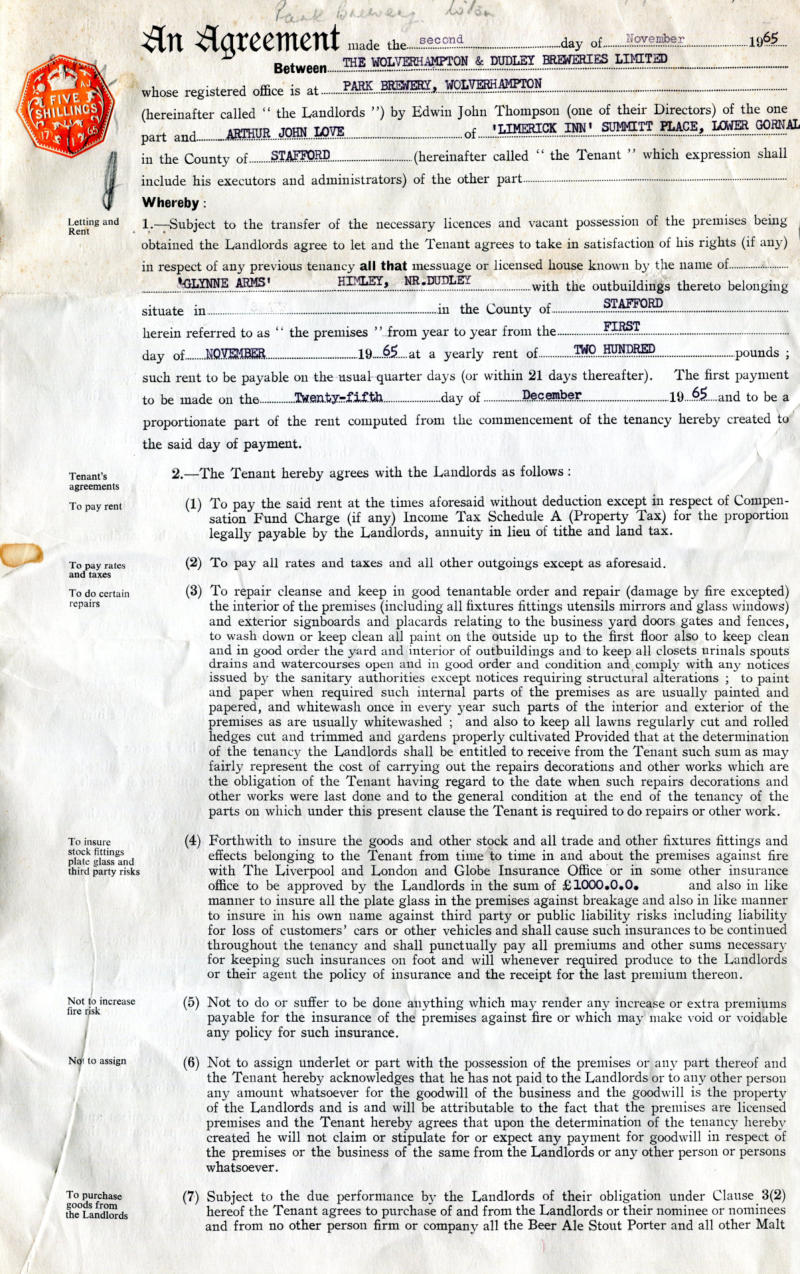
Some Licencees of the Siden House




The Siden House
The Siden House, renamed the Glynne Arms and now going under the name of its nickname ‘The Crooked House’ a well known and much loved Black Country institution. “Come in an have sum home brewed ale Stop as long as you’re able At a pub called the Siden House Where the beer runs up the table” The Crooked House is one of Britain’s quirkiest pubs. Built in 1765 as a farmhouse, the building became a pub in the 19th century when it opened as The Siden Arms. ‘Siden’ is a local dialect word for ‘crooked’ or ‘lopsided’ so for well over a hundred years the building has leaned to one side. Though now called The Crooked House many regulars recall its previous name, The Glynne Arms. Sir Stephen Glynne, 9th Baronet (1807 - 1874) was a 19th century landowner and the building was on his estate. At the age of seven Stephen inherited both the baronetcy and the family estates, including Hawarden Castle in Flintshire. His sister Catherine married William Gladstone, later to become Prime Minister. The land where the Glynne Arms stands was part of the Oak Farm Estate, which in the 1800's was riddled with mine workings and rail tracks with the canal basin at the end of the Stourbridge Extension Line which now no longer exists. Sir Stephen Glynne was not only a land owner but also a politician. He also had a love of music and church architecture and visited over 5500 churches - mostly on horseback The Oak Farm Company included Sir Stephen Glynne, owner of the property and from 1839, W.E. Gladstone and Lord Lyttleton. All three resigned in 1845 and the company collapsed in 1847, after which Gladstone purchased the estate and restored it to Glynne. Most of the rest of the area was owned by the Earl of Dudley. The 1st Earl of Dudley William Ward (1817 - 1885) was born in Suffolk, the son of William Ward, 10th Baron Ward. Between 1859 and 1877 Ward paid for the entire refacing and restoration of Worcester Cathedral, there is a monument to him in the cathedral and his statue stands at the top of Castle Hill in Dudley. His inheritance included Himley Hall and the ruins of Dudley Castle. In 1837 his trustees purchased the Witley Court estate in Worcestershire from Thomas Foley, 4th Baron Foley. He was also a trustee of the National Gallery and the National Portrait Gallery The Ward family owned large holdings of land around the Black Country and much of the coal fields in Staffordshire. They had added to their possessions in the 18th century by the enclosure of Pensnett Chase which had formerly been common land and much further back in time, a hunting ground for the Barons of Dudley. William Ward built many mineral railtracks to transport the coal to the canal systems at Ashwood and Stourbridge. The Earl of Dudley’s Railway or Pensnett Railway, was a 4 ft 8+1⁄2 in (1,435 mm) standard gauge railway that developed from a single 3-mile (4.8 km) line opened in 1829 to, at its maximum extent, a 40-mile (64 km) long network around the Earl of Dudley’s Iron Works at Round Oak near Brierley Hill. Much of this land covered coal seams and deposits of industrial material including iron ore and fire-clay. The quality of the materials played a major part in the development of the Industrial Revolution and linked William Ward with Benjamin Gibbons, (1815-1863), ironmaster (son of William Gibbons 1782-1848 and Ann Avery 1790-1851) developed fire- clay mines at Sedgley and leased the Hallfields furnace in Bradley near Bilston in the Black Country. He started the fireclay works at Deepdale Lane in 1834. The firm later became Gibbons Brothers and were located at Dibdale Works at the bottom of Deepdale Lane, their family business was one of the larger industries and major employers in the area. In 1827 an agreement was signed for James Foster, a local ironmaster and Francis Downing, the mineral agent of William Ward to build the Kingswinford Railway. James Foster (1786-1853) controlled the company John Bradley & Co a large industrial concern that owned the Stourbridge Iron Works. A short level section brought the railway to its termination at Corbyn's Hall collieries, owned by Benjamin Gibbons. The line opened on 2 June 1829 with the steam locomotive Agenoria purpose-built to haul wagons of coal from pits to Ashwood basin. The locomotive, constructed by Foster Rastrick & Co of Stourbridge is now on display at the National Railway Museum in York. All the underground workings in the area made the land unstable. Some mine shafts collapsed while in other places works caused surrounding land to move. Subsidence from mining made the building tip over by about four feet. There are now three buttresses on the end gable. These stop the pub from sinking even further. Condemned as unsafe in the 1940s, the pub was rescued from demolition by Wolverhampton and Dudley Breweries who recognised its curiosity value. They stabilised the building but deliberately preserved the sloping walls and interior. The disorientating results make some people feel dizzy before they’ve had a drop to drink! Marbles roll down seemingly level tables here, while right angles are a scarce commodity – the sash windows are all 16 degrees off centre, more than double the lean of the Tower of Pisa. In 1985 Banks’s added a large extension to the pub and despite the Architect wanting to design a quirky & wacky addition, the brewery chose to add a flat and even extension to maximise the food potential. That Architect has only even been for a drink in the old leaning part of the pub. Many postcards have been produced over the years and some of the old Landlords and Landlady’s still live in Gornal - Sadly, the goose that wouldn’t let anybody use the toilets is no longer with us. The Crooked House was sold by Marston’s Brewery in 2023 to a company who presumably had no intention of keeping the pub open and what came as no surprise to local folk, in the early hours of 6th August the building mysteriously burnt to the ground ending over 250 years of history. Two days later the building was demolished without the permission of South Staffs Council and after a further two days the police decide it might be arson. West Midlands policing at it’s finest In February 2024 an enforcement notice was issued on the landowner requiring them to reinstate the building as it was before demolition. The landowners are required to complete the reconstruction within three years.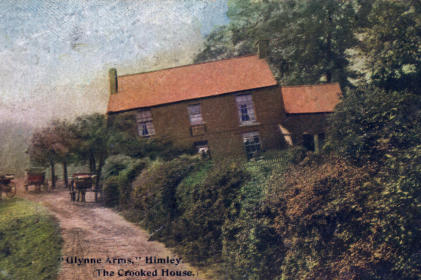

Some Licencees of the Siden House




- News
- Bookings
- History
- Galleries
- The Area
- The Mill
- Friends
- Contact
